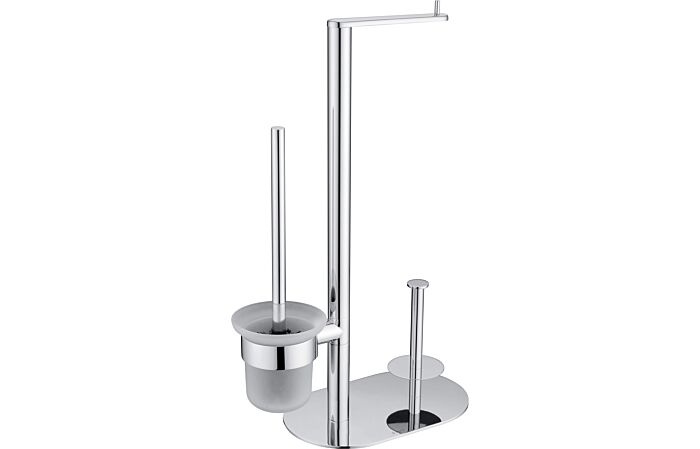



Only the best materials, the quality of which has been confirmed by laboratory tests
High quality of materials
Hidden fixings
Dedicated cleaning agent, safe for cleaned surfaces
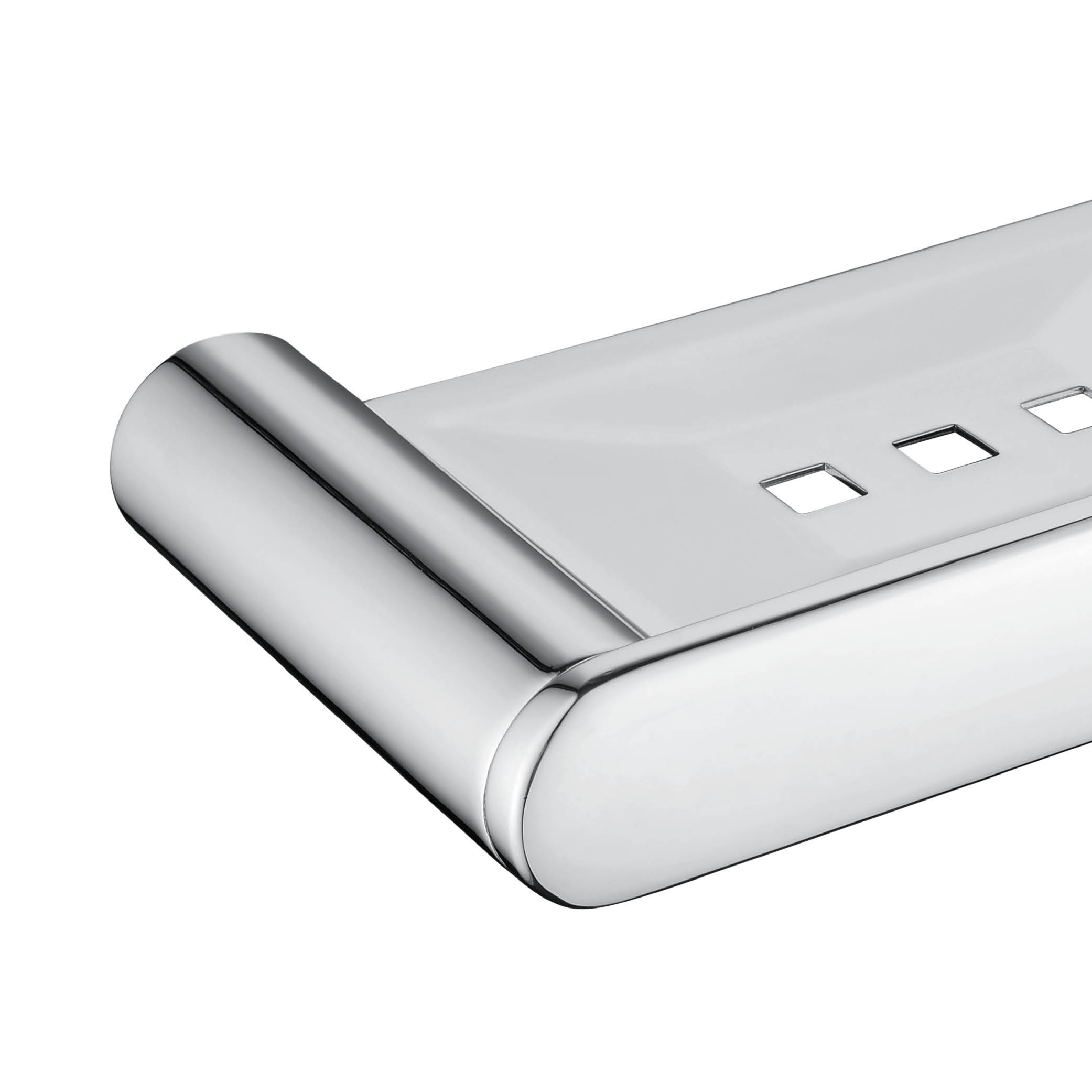
High quality of materials
Accessories are made of high quality stainless steel, making them solid and durable. These are moisture and corrosion-resistant materials.
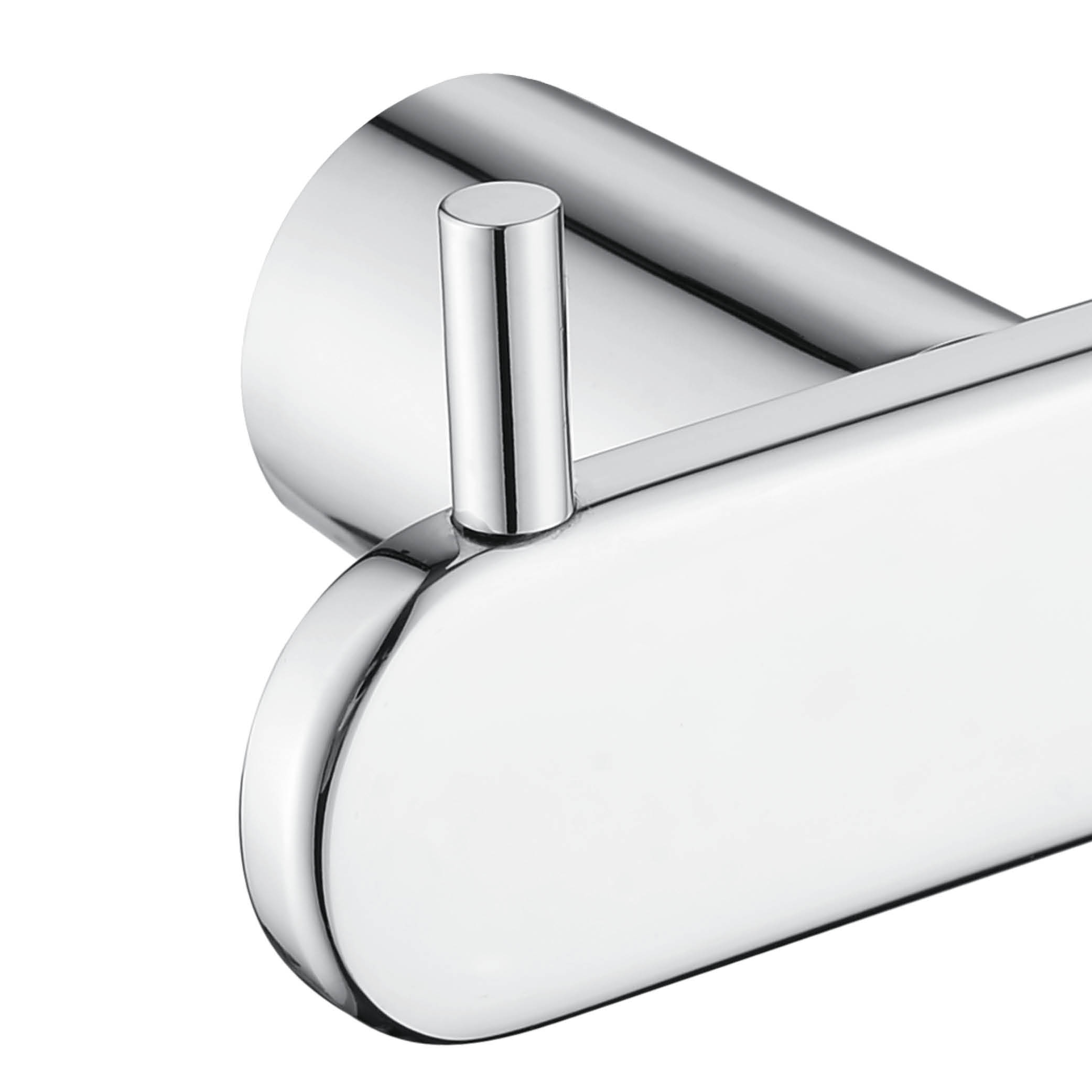
Hidden fixings
Thanks to the perfectly hidden mounting elements, the accessories gained a subtle character. A complete installation kit is included.
Dedicated cleaning agent, safe for cleaned surfaces
The use of dedicated agents means that the surfaces do not deteriorate and remain smooth for long, facilitating daily cleaning. A specially selected composition removes the most common dirt extremely effectively. On the other hand, the preparations are delicate for a given type of surface (metal, granite, ceramics and others), without entering into chemical reactions with them. The preparations are biodegradable and thus safe for the environment. With Deante cleaning products, keeping things in order will be extremely easy!
Expand the full description
FAQ
Welcome to polystyrene insulation EPS boards FAQ! Here you'll find answers to our most asked questions. Still can't find quite what you're looking for, or have something we should know? Use Q&As section or send us an email, we're happy to help!
Q1: What are EPS polystyrene boards used for in external wall insulation?
A1: EPS (Expanded Polystyrene) boards are used as thermal insulation in External Wall Insulation (EWI) systems. They are mechanically fixed and adhesively bonded to external walls, then reinforced with basecoat, mesh, and decorative render to improve energy efficiency and façade appearance.
Q2: Is EPS insulation good for external walls?
A2: Yes â EPS is one of the most widely used façade insulation materials because it offers: - Excellent thermal performance - Lightweight handling - Cost efficiency - Easy cutting and installation - Compatibility with most render systems
Q3: What thickness EPS boards are used for EWI?
A3: Common thicknesses in the UK: - 50 mm â minimal upgrade - 70â90 mm â standard retrofit - 100 mm â popular energy upgrade - 150â200 mm â low-energy / passive targets Thickness depends on U-value requirements and building regulations.
Q4: What is the thermal conductivity (Lambda) of EPS?
A5: Standard white EPS is Euroclass E (combustible). However: - It is always encapsulated within render systems. - Fire-retardant grades are used. - System fire ratings depend on the full EWI build-up. For high-rise buildings, mineral wool may be required.
Q6: How long does EPS external wall insulation last?
A6: Properly installed EPS EWI systems last 30â50 years+ with maintenance of the render finish.